


If you live in South Florida, where heavy rains and tropical storms are part of life, your sump pump is one of your home’s most important flood-prevention tools. But even the best systems need regular attention. A neglected pump can fail at the worst possible moment, leading to flooded basements, damaged flooring, and thousands in repair costs.
That’s why every homeowner should learn DIY sump pump maintenance—simple steps that keep your system in top shape and ready to protect your home year-round.
What DIY Sump Pump Maintenance Involves
Regular DIY maintenance means inspecting, cleaning, and testing your sump pump to make sure it activates automatically and drains water efficiently when needed.
Why it matters: Florida’s unpredictable weather, salt-air humidity, and high water tables can wear down components quickly. Staying proactive keeps your system efficient, prevents flooding, and extends its lifespan.
How to Perform Sump Pump Repair & Maintenance
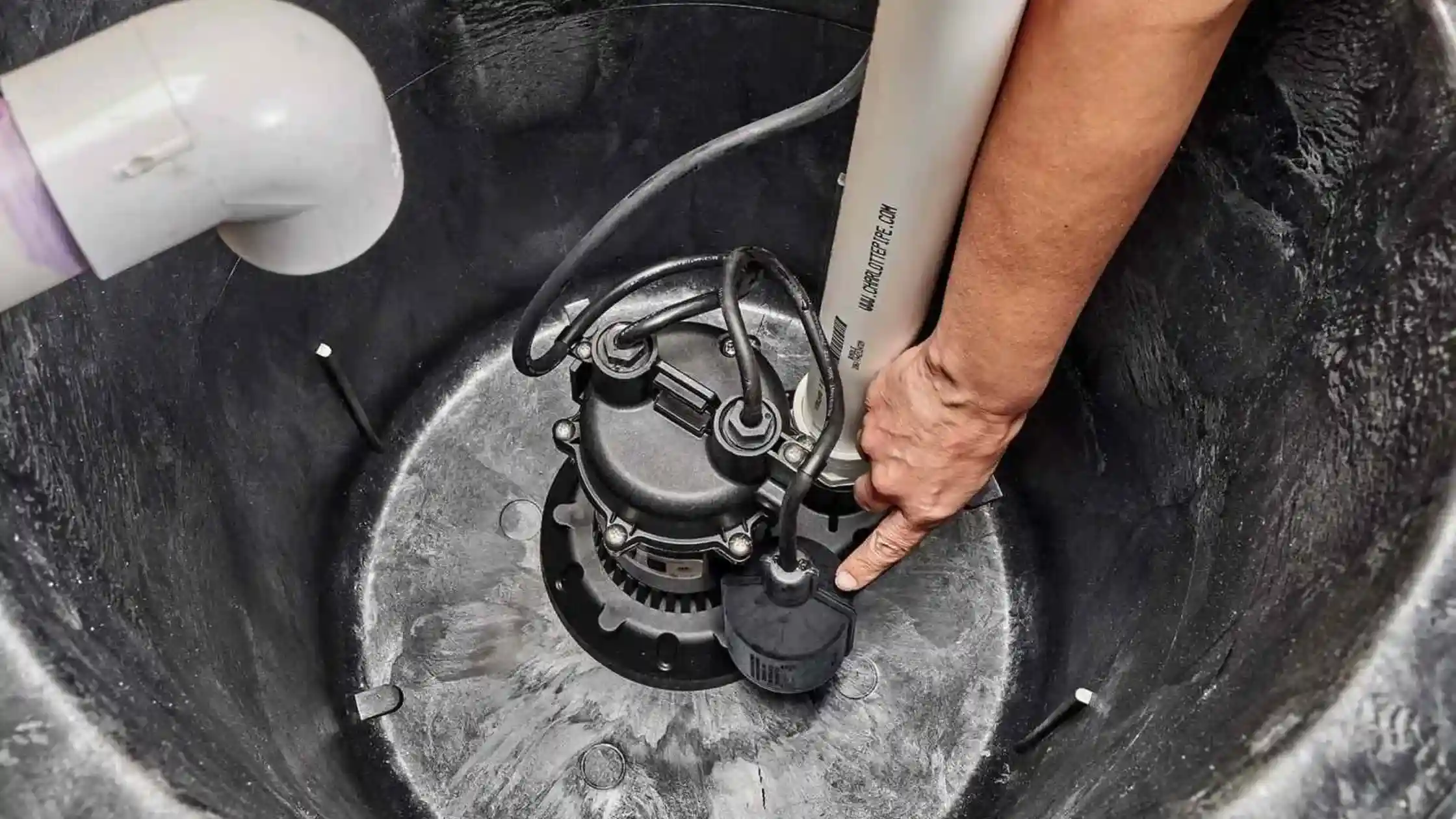
Even if your sump pump seems fine, minor maintenance can prevent major disasters. The process involves knowing your pump, cleaning it routinely, testing functionality, and understanding when professional help is needed.
Let’s break it down step-by-step.
Understand Your Sump Pump
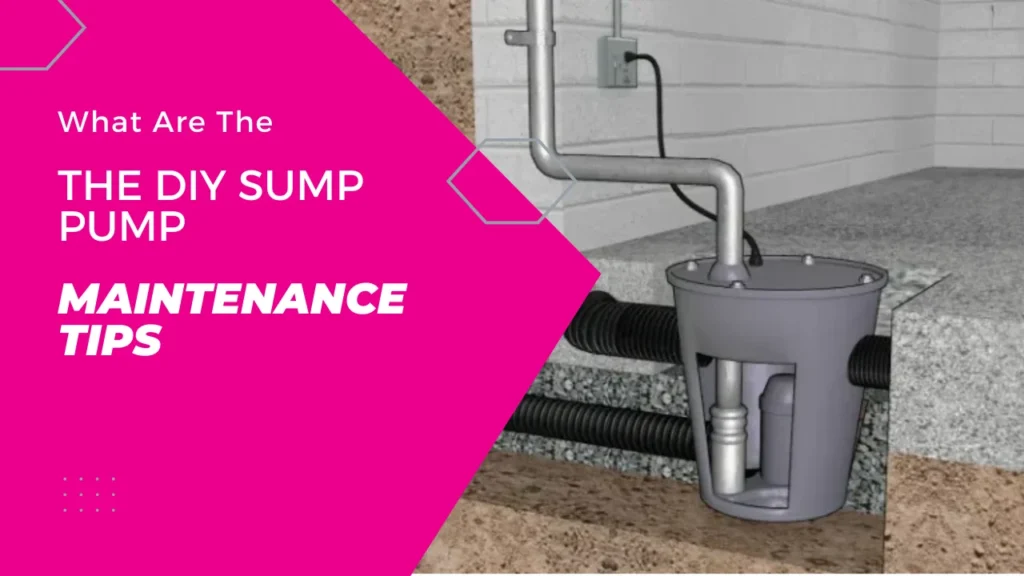
Every homeowner should know the type of pump they have:
-
Submersible sump pump: Sits inside the pit, quieter and more efficient for high water volumes.
-
Pedestal sump pump: Motor sits above the pit, easier to service but louder and less powerful.
Start by finding the model, brand, and age. Most sump pumps last 7–10 years, but Florida’s coastal conditions can shorten that lifespan due to salt corrosion and mineral buildup.
If you’re unsure of your system’s details, look at the motor plate or instruction manual. Note where to get replacement parts locally—knowing this saves time when emergencies strike.
Regularly Test Your Pump
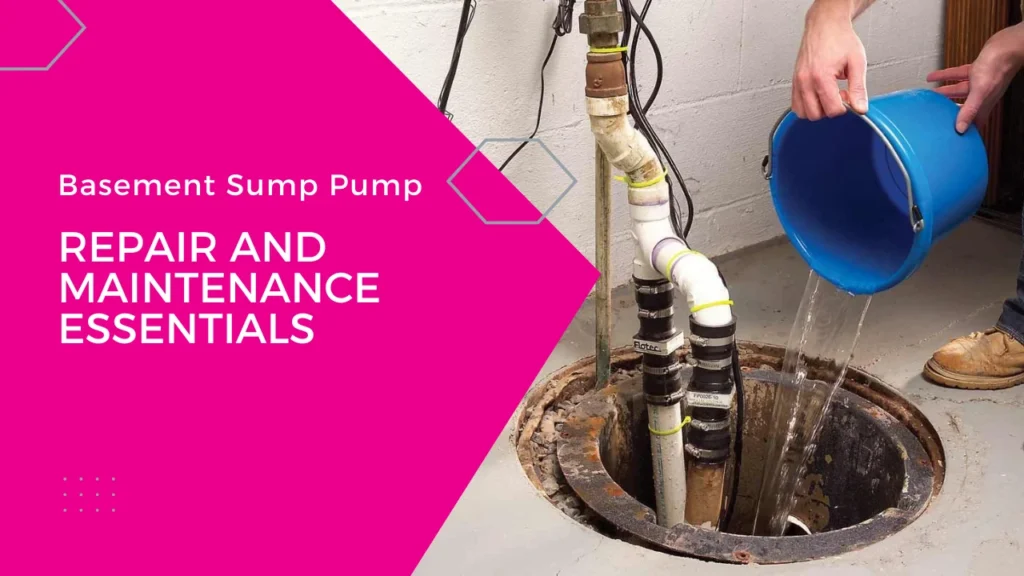
Monthly testing ensures reliability when storms hit. To test:
-
Fill the sump pit with water from a bucket or hose.
-
Watch for automatic activation as the float rises.
-
Ensure the pump removes water quickly and shuts off afterward.
If the pump fails to start or struggles to drain, check the float switch or impeller for obstructions. Strange noises, such as grinding or rattling, may signal worn bearings or internal damage.
Testing is especially crucial before Florida’s wet season (May–October) when rainstorms are frequent.
Recognize Signs of Trouble
Spotting issues early prevents costly water damage. Common warning signs include:
-
Unusual noises: Grinding, clanking, or rattling often point to a bent impeller or trapped debris.
-
Constant running: The float switch might be stuck, or the pump may be undersized for the pit.
-
Irregular cycling: Could indicate a wiring issue or float malfunction.
-
Visible rust or oil leaks: Suggest internal seal damage.
-
Slow drainage: Often due to a clogged discharge pipe or check valve.
If any of these occur, turn off the pump immediately and schedule a professional inspection before the next storm. You can get our drain cleaning services to help you fix the issue.
Keep Your Pump Clean
A clean sump pump is an efficient one. Dirt, sediment, and mineral buildup are major causes of failure—especially in South Florida, where sandy soil and humidity accelerate clogs.
Here’s how to clean it safely:
-
Unplug the unit and disconnect it from the discharge pipe.
-
Rinse the pump with a garden hose to remove debris.
-
Scrape off buildup with a plastic scraper—avoid metal tools to prevent scratching the housing.
-
Vacuum the pit using a wet/dry vac to remove sediment and gravel.
-
Check the inlet screen for blockages.
-
Reconnect, plug back in, and test again with water.
Perform this cleaning every 3–4 months or at the start of hurricane season.
Ensure Proper Covering
A tight sump pit cover reduces the risk of debris and dust entering your system. It also helps control odors and humidity in enclosed areas. The cover should fit snugly but allow space for necessary wiring and drainage pipes.
In coastal regions like Pompano Beach and Oakland Park, a sealed lid can also reduce corrosion from salt-laden air.
Check the Drainage Line
Even a perfect pump can’t help if the discharge line is blocked. The line carries water out of your home, so check for clogs, ice (in colder regions), or kinks.
-
Remove visible debris at the outlet.
-
Ensure the pipe angles downward away from the home’s foundation.
-
Verify the check valve (a one-way valve that prevents backflow) is functional and tight.
Tip: Pour a few gallons of water into the pit and watch for smooth discharge outside. Any backup or gurgling means a blockage.
For advanced drain inspections, homeowners can also use water leak detection in Oakland Park or Fort Lauderdale to identify underground issues early.
Lubricate and Inspect Moving Parts
Some pedestal pumps and older models require periodic lubrication of motor bearings and moving parts. Use the oil recommended by your manufacturer.
Check the float switch, which activates the pump, for free movement. A stuck float can prevent activation during a storm—a common reason pumps fail.
Consider a Backup Sump Pump
Power outages are common during Florida storms. A battery backup sump pump can keep your home safe even when the main power fails.
Two common options:
-
Battery Backup: Uses a 12-volt marine battery; can last several hours.
-
Water-Powered Backup: Operates using your home’s water pressure—no battery required.
Backup systems are lifesavers during hurricanes and are recommended for all coastal properties. Consider adding one during your next plumbing inspection or when upgrading your system.
DIY Maintenance Schedule (South Florida Homeowners, 2026)
| Frequency | Task | Purpose |
|---|---|---|
| Monthly | Test sump pump with water; listen for noises | Ensure proper activation |
| Quarterly | Clean pump and pit; check float switch | Remove sediment buildup |
| Biannually | Inspect discharge line and check valve | Prevent blockages and backflow |
| Annually | Replace worn parts; test backup system | Extend pump lifespan |
| Before hurricane season (May) | Full system test and cleaning | Prepare for heavy rainfall |
Adopting this maintenance calendar can double your pump’s lifespan and prevent costly water damage.
What Impacts Sump Pump Performance & Lifespan?
Short answer: Climate, water quality, and how often your pump runs.
Florida homes often deal with high groundwater levels and salty air, which corrode metal components faster. Hard water also causes mineral scaling on impellers.
To maximize lifespan:
-
Use pumps with stainless steel or thermoplastic housings.
-
Install a GFCI outlet for electrical safety.
-
Schedule routine cleaning every 3–6 months.
How to Save Money on Sump Pump Maintenance?
Short answer: A few smart habits can reduce repair costs and extend your system’s life.
Here’s how:
-
Keep spare parts (float switch, check valve) on hand for quick replacements.
-
Clean before hurricane season to avoid emergency service calls.
-
Test your backup battery monthly to ensure readiness.
-
Use DIY cleaning for small tasks, but hire pros for wiring and replacement.
-
Register your pump’s warranty—many offer free replacements for early failures.
Routine maintenance costs about $0–$20 per month, compared to $5,000+ in potential water damage repair.
When Should You Call a Professional?
Some issues go beyond DIY. Call a professional plumber if:
-
The pump doesn’t start during a test.
-
The motor trips your breaker.
-
You find rust, oil leaks, or electrical damage.
-
You suspect sump pit overflow or drainage line collapse.
If you’re in Pompano Beach, Oakland Park, or Wilton Manors, our certified team at Priscilla’s Plumbing can handle everything—from detailed inspection to complete sump pump replacement.
Need help right now? Visit our Plumber Pompano Beach, Plumber Oakland Park, or Plumber Wilton Manors pages to request emergency service.
Benefits of Professional Sump Pump Maintenance
While DIY care covers most basics, professional maintenance ensures long-term reliability. Expert plumbers can:
-
Detect internal electrical faults or short circuits.
-
Test water pressure and discharge flow accurately.
-
Clean internal seals without damaging the motor.
-
Install energy-efficient backup systems.
-
Extend warranty coverage through proper service records.
Final Thoughts: Keep Your Basement Safe in 2026 and Beyond
As South Florida’s rainfall patterns grow more unpredictable, maintaining your sump pump is no longer optional—it’s essential. Simple DIY sump pump maintenance keeps your home dry, your equipment efficient, and your repair bills low.
If you notice irregular cycling, strange noises, or flooding signs, don’t wait. Contact Priscilla’s Plumbing—your trusted local expert in sump pump repair, inspection, and replacement.
Visit Priscilla’s Plumbing or plumbing service pages to explore full-service solutions and keep every system in your home running smoothly.
FAQs
Q1. How do I keep my sump pump clean?
Clean the sump pit, pump, and inlet screen quarterly to remove debris. Always unplug the pump before cleaning.
Q2. Can sump pumps rust in coastal Florida?
Yes. Salt-air and humidity can cause corrosion. Use stainless-steel or thermoplastic models for better resistance.
Q3. How often should I test my sump pump?
Once a month and always before major storms or the start of hurricane season.
Q4. What is the average lifespan of a sump pump?
Most last 7–10 years. Regular maintenance can extend that to 12 years or more.
Q5. Can I replace sump pump parts myself?
Yes—simple components like the float switch or check valve can be DIY-replaced. For electrical or backup systems, call a professional.