


Few things are more frustrating than expecting hot water only to get an icy surprise. If you’ve asked, “Why does my water heater pilot light keep going out?”, you’re not alone. At Priscilla’s Plumbing, our certified technicians have diagnosed countless cases of pilot light issues, water heater ignition failures, and thermocouple problems. Understanding the common reasons the water heater pilot keeps turning off can help you act before small issues become major repairs.
Additionally, we will guide you in spotting early warning signs and determining when you really need to bring in a plumber to prevent it from getting worse.
1. Faulty or Dirty Thermocouple: Main Reason Your Pilot Light Won’t Stay Lit
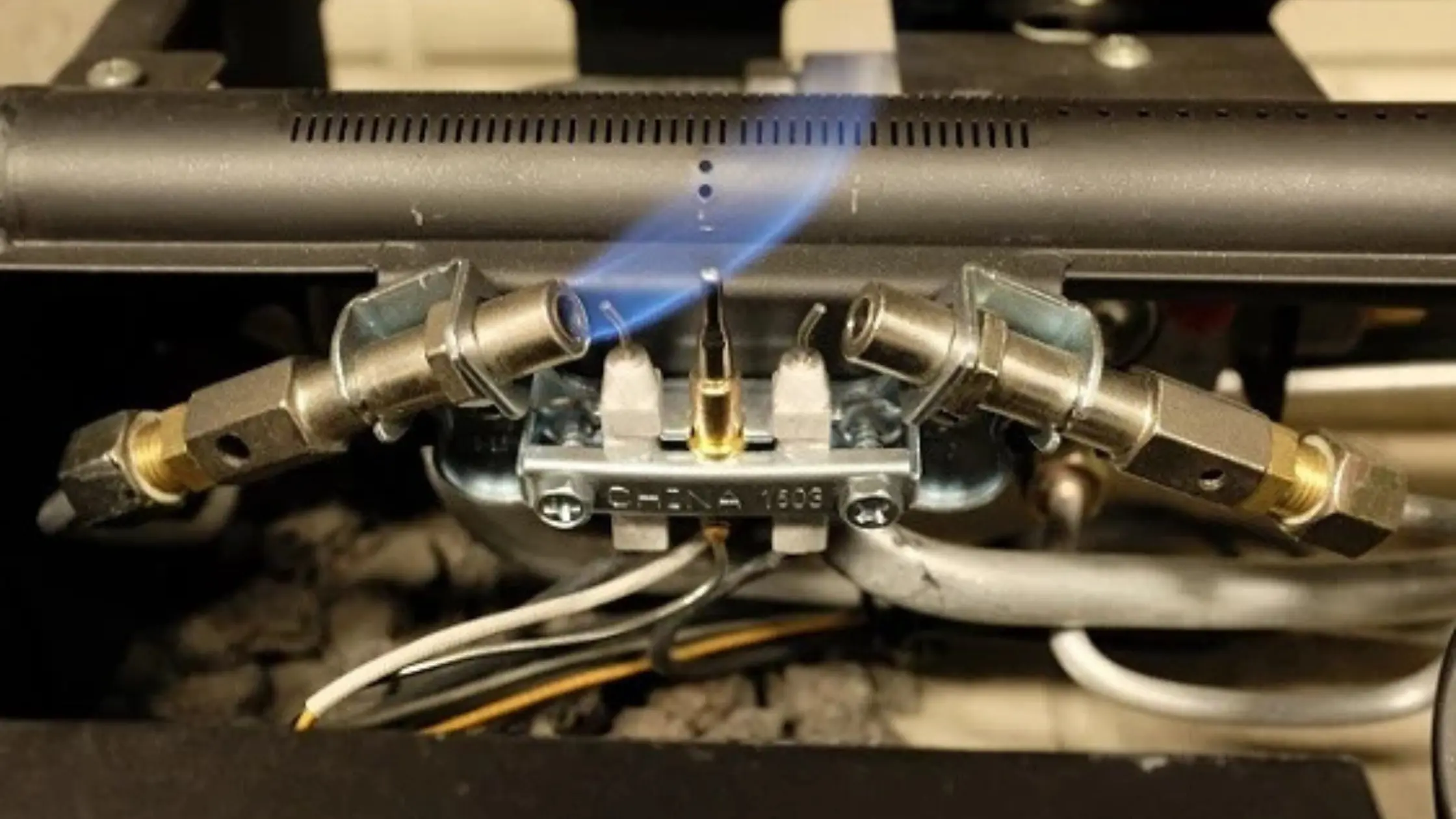
Most of the time, a faulty thermocouple causes the water heater pilot light to go out. This little device serves as a safety check to confirm that the pilot flame is actually burning. Once it stops working properly, it shuts off the gas flow to prevent dangerous leaks.
Here’s what can go wrong if your water heater pilot light won’t stay lit:
- Several things can mess up the thermocouple over time. The tip of the thermocouple may accumulate soot, rust, or dirt, blocking it from sensing heat properly.
- Sometimes the sensor gets the wrong signal. So it picks up bad signals and shuts everything down too soon.
- In other situations, the whole thermocouple just gives out after years of constant use. So these may be the major causes of the pilot light going out repeatedly
You might try wiping the thermocouple tip clean with some fine sandpaper if you feel up to it, but if the flame still will not hold steady, go ahead and get it replaced. For more guidance, check our full post on Understanding Your Water Heater’s Thermocouple Signs It’s Failing for detailed repair insights.
2. Drafts or Airflow Issues Causing Your Water Heater Pilot to Go Out
If the pilot flame starts flickering wildly or dies without warning, a simple draft could be to blame. Those gas pilot lights stay pretty small and sensitive, so a quick puff of air from anywhere can knock them right out.
Here is why the pilot light won’t stay on:
- Nearby vents or fans: Air conditioners, bathroom fans, or open windows can blow directly onto your water heater.
- Poor ventilation: In humid regions like South Florida, excess moisture and limited airflow can cause pilot instability.
- Improperly sealed access panels: Missing or bent covers can let in dra, disrupting the flame.
Try shutting any closed windows or aiming vents in another direction away from the unit. When trouble keeps happening, though, you probably need a professional plumber to tweak the ventilation system and make sure the pilot flame stays lit.
3. Gas Supply & Pressure Problems Leading to Pilot Light Failure
In certain cases, the water heater ignition keeps failing, and this has nothing to do with the water heater parts themselves. It usually comes down to an uneven gas supply reaching the unit.
Pay attention if your other gas stuff around the house acts strangely too, like the stove burners flickering weakly or the furnace not heating right. That kind of behavior often means trouble somewhere in the main gas line feeding everything.
Gas problems mostly need a professional to sort out safely. Shut off the water heater right away if you see odd flame patterns or catch any whiff of gas, then get a licensed plumber out for a full check.
4. Pilot Tube Blockage: Why Your Water Heater Ignition Keeps Failing
Another reason your pilot light won’t stay on could be a blockage inside the pilot tube, the narrow passage that delivers gas to the flame.
- Dust, insects, or soot can accumulate in this small tube over time, restricting gas flow and preventing consistent ignition.
- You may hear the ignition click, but the gas doesn’t reach the flame properly.
- A weak or sputtering flame often signals this problem.
Cleaning the pilot tube requires precision, so avoid poking it with random tools. A plumber can use specialized equipment to clear it safely and restore normal function.
5. Excess Moisture and Corrosion
In South Florida’s humid climate, moisture is a silent enemy to gas appliances. When condensation forms around your water heater’s burner assembly, it can cause rust and corrosion that weaken the pilot flame or interfere with ignition components.
- Moisture can short out electrical sensors in newer models.
- Rust flakes can clog the pilot tube or gas valve connections.
- Over time, corrosion can damage the burner entirely, leading to repeated ignition failures.
If you notice rust around the base or smell damp air near your water heater, it’s a sign you need service before corrosion spreads to internal parts.
6. Aging Ignition Components
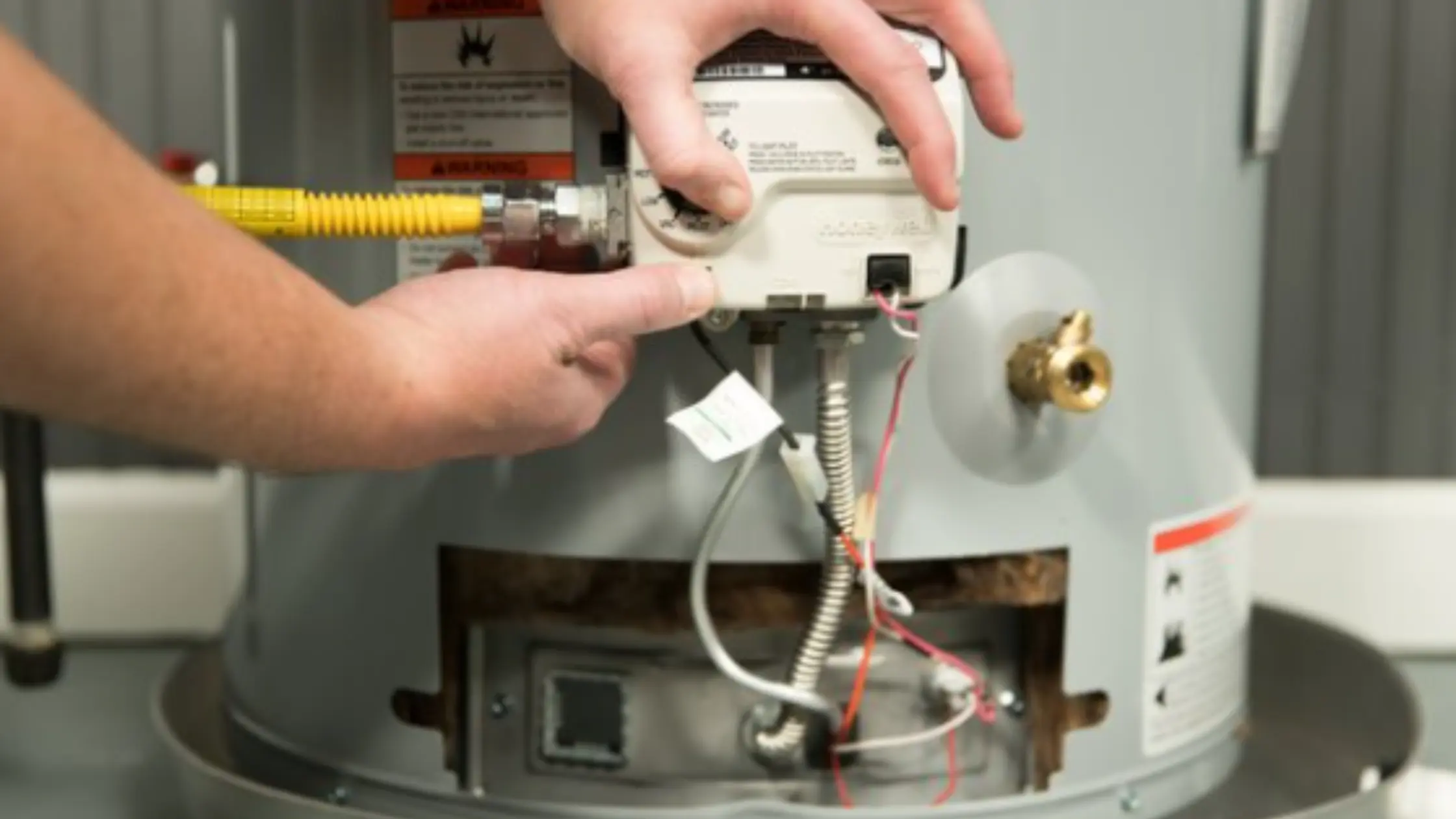
Sometimes, the culprit is simply age. With time, ignition parts wear down and stop working efficiently. A water heater ignition that keeps failing could mean your system’s gas valve, spark igniter, or pilot assembly has reached the end of its lifespan.
If your unit is more than 10 years old and requires frequent relighting, replacement may be the more cost-effective and energy-efficient solution.
Pro Tip: You can learn how to safely relight your water heater to avoid any possible damage.
Signs It’s Time for Repair or Replacement
Here’s how to know when your water heater pilot light issues are beyond simple troubleshooting:
- The flame goes out more than twice a week.
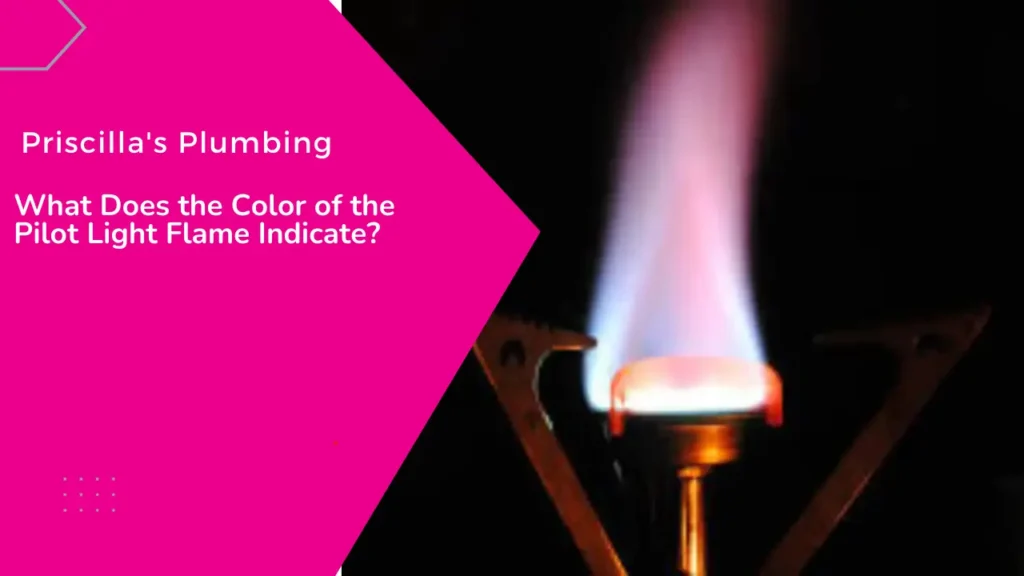
- The pilot flame burns yellow or orange instead of bright blue.
- You notice a rotten-egg gas smell near the heater.
- There’s condensation or rust on the burner cover.
- The heater clicks repeatedly without igniting.
These signs often mean one or more parts are malfunctioning, whether it’s the thermocouple, gas control valve, or ignition assembly. Don’t delay repairs; ignoring them can lead to complete heater failure or safety hazards.
When to Call a Plumber For Water Heater Ignition Issues?
While you can try minor checks, such as ensuring the gas valve is open or the area is draft-free, most persistent pilot light issues require expert hands.
Call a professional if:
- You’ve relit the pilot multiple times, and it keeps going out.
- You suspect gas pressure problems or faulty components.
- The heater shows visible rust or moisture damage.
- The system is older, and ignition keeps failing despite maintenance.
A certified plumber can test gas flow, clean or replace sensors, and identify whether the problem lies in the pilot assembly or deeper within the heater’s combustion system. Priscilla’s Plumbing provides same-day water heater repair in South Florida, offering complete diagnostics, thermocouple replacement, and ignition system service. Visit our Water Heater Repair page to schedule an inspection and restore your heater’s reliability.
Conclusion
A pilot light that refuses to stay lit is more than an inconvenience; it’s your water heater’s way of asking for attention. Whether the cause is a worn thermocouple, a stubborn draft, or moisture creeping into the ignition system, one thing is for sure: the sooner it’s fixed, the sooner comfort returns.
So, the next time your water turns cold and the flame flickers out, don’t just relight it and hope for the best. Listen to what your system is telling you. And when you’re ready to stop guessing, call Priscilla’s Plumbing, the trusted experts who bring warmth, reliability, and peace of mind back to your home, one steady flame at a time.
FAQs
Q1. Why does my water heater’s pilot light keep turning off repeatedly?
A pilot light may go out repeatedly due to a faulty thermocouple, pilot tube blockage, drafts, low gas pressure, or moisture-related corrosion. Identifying the root cause quickly prevents further damage.
Q2. What should I do if my water heater pilot light won’t stay lit?
First, check for drafts, debris in the pilot tube, or signs of corrosion. If the flame still won’t stay lit, call a licensed plumber like Priscilla’s Plumbing to inspect the thermocouple and gas supply safely.
Q3. Can low gas pressure cause my pilot light to go out?
Yes. Uneven or low gas pressure can prevent the pilot light from staying lit. If other gas appliances in your home also behave irregularly, a professional should inspect your gas line and valves.
Q4. How do I know if my thermocouple is causing pilot light issues?
A dirty, damaged, or worn-out thermocouple often shuts off the gas flow prematurely. Signs include a flickering flame, frequent pilot light failure, or yellow/orange flame colors. Replacement by a professional is recommended.
Q5. Can humidity or moisture make my pilot light go out?
Yes. Moisture in South Florida homes can corrode the burner or short electrical ignition components, causing repeated pilot light failures. Proper inspection and maintenance can prevent corrosion-related issues.
Q6. When should I call a plumber for pilot light problems?
Call a professional if your pilot light won’t stay lit despite relighting, shows yellow/orange flames, or the unit is older than 10 years. Priscilla’s Plumbing offers diagnostics, thermocouple replacement, and water heater repair to ensure safe and reliable operation.